DIAGNOSTICS
Hormones regulate our entire lives
Usually quietly, sometimes quite dramatically. They influence our sleep, our energy and mood, our weight, fertility and sexuality. In everyday medical practice, hardly any doctor has the time to engage in depth with each individual – this is the reality of many healthcare systems. As a result, hormonal causes of symptoms often remain undetected. At Park Igls Medical Spa Resort, medical care does not begin with a quick diagnosis, but with taking the time to understand each guest in detail.
»The great advantage at Park Igls is that we have plenty of time for each guest.«
It all starts with a conversation.
At Park Igls Medical Spa Resort, the focus is on listening, understanding and recognising connections – giving space to topics that are often overlooked elsewhere.
»The great advantage at Park Igls is that we have plenty of time for each guest«, confirms Head Physician Peter Gartner. »Many of our international guests do not have a medical counterpart at home who truly supports them. We take on that role – especially when guests return regularly.«
Some arrive with a long medical history: examinations, findings, attempted therapies. What is often missing is a place where all these pieces of the puzzle are brought together. This is precisely where Park Igls comes in, with its holistic approach and an exceptionally strong network of consulting physicians, all of whom are among the leading specialists in their field – combined with intensive treatment time per patient.
This close collaboration is particularly crucial when symptoms cannot be clearly assigned.
Hormonal issues rarely present in a clearly defined way; instead, they tend to appear diffusely: as fatigue, sleep problems, weight gain or mood fluctuations. Hormones act quietly, and symptoms rarely announce themselves clearly. As a result, hormonal causes often remain undetected.
Germar-Michael Pinggera, urologist and senior physician at the University Hospital Innsbruck, and Bettina Toth, Director of the University Clinic for Gynaecological Endocrinology and Reproductive Medicine in Innsbruck, support Park Igls as consulting specialists. They are brought in when it becomes apparent during a stay that more in-depth clarification is required. Many sensitive topics are not addressed during the first medical consultation. This makes extended and intensive treatment time per patient all the more important. Erectile dysfunction, loss of libido, menopausal symptoms or an unfulfilled desire to have children require a counterpart who listens without judgement.
»These topics almost never arise at the beginning«, says Peter Gartner from experience. »But when someone is here for two or three weeks, as would be ideal for a cure, and you see each other regularly and talk, a genuine relationship of trust can develop.«
Germar Michael Pinggera shares this view: »Guests at Park Igls are guided and supported. They are listened to, and time is dedicated to them. Only then do aspects emerge that have no place in everyday life. This is the prerequisite for recognising whether – and which – further diagnostics and subsequent therapies are meaningful.«
HORMONES AS AN INTERCONNECTED SYSTEM
At Park Igls, hormones are never considered in isolation, just as the individual is always viewed holistically. Hormones are in constant exchange with the gut, metabolism, nervous system and psyche.
A central foundation for this is Modern Mayr Medicine, in which the gut plays a key role. The microbiome is in continuous dialogue with almost all bodily functions. This close interaction with the hormonal system explains why a Modern Mayr Cure can support not only digestion, but also energy levels, metabolism, the menstrual cycle and even fertility.
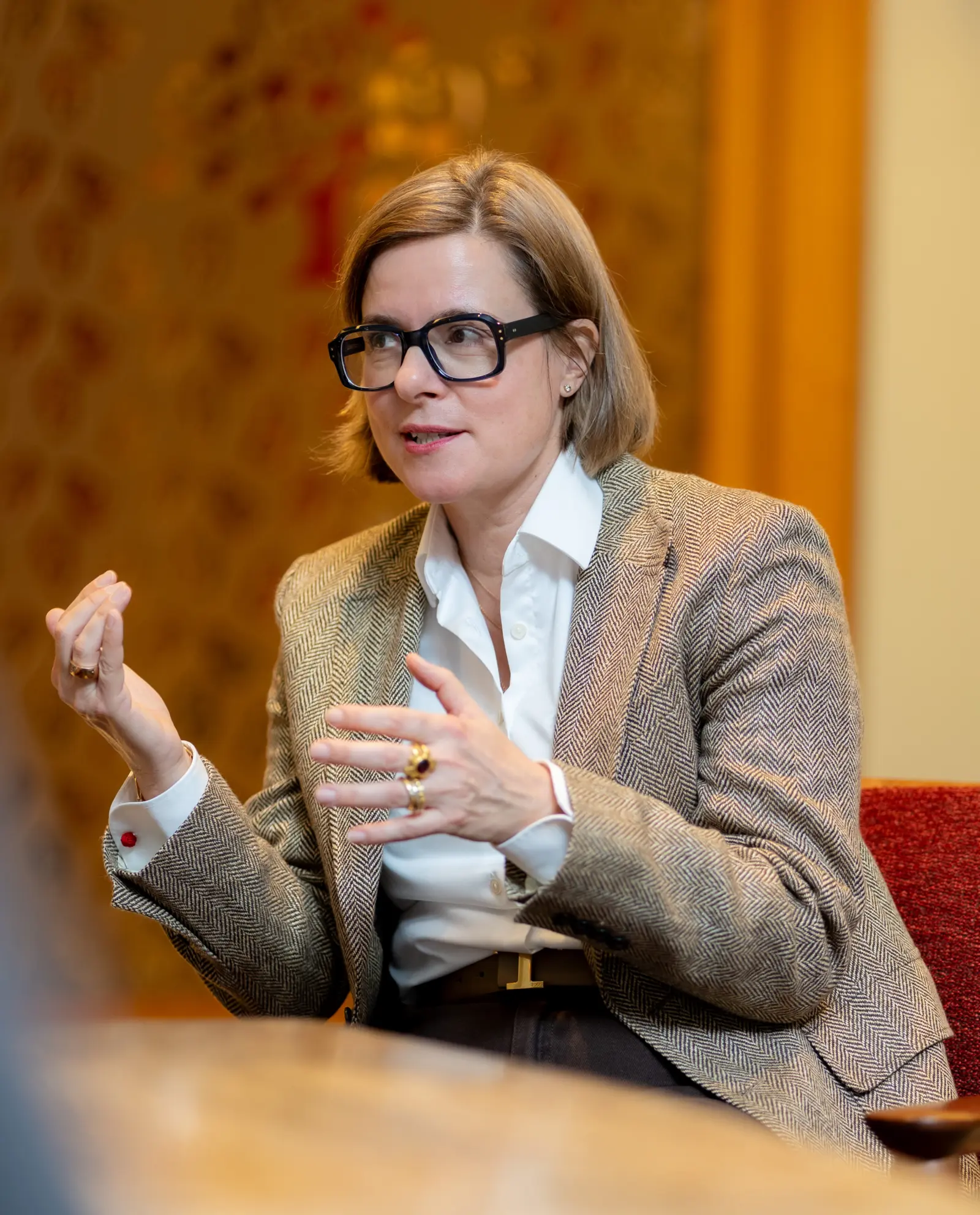
For women, menopause remains a recurring topic. It is still often experienced as an unavoidable fate. For many women, menopause is associated with uncertainty and conflicting information.
»Not every woman needs hormone therapy,« emphasises Bettina Toth. »But those who have no symptoms are in the absolute minority – and not every woman who does have symptoms receives the treatment she needs.« One reason is that in everyday practice, there is often insufficient treatment time per patient. Studies show that severe menopausal symptoms can significantly impact quality of life and the ability to work, with long-term social and health consequences.
A recurring theme in conversations with affected women is the feeling of not being taken seriously:
»In some international healthcare systems, continuous gynaecological care is lacking,« says Toth.
»As experts, we can listen, explain and jointly decide whether – and which – therapy makes sense.«
At the same time, it is never only about hormones. Menopause is a turning point in a woman’s life. Gut health, movement and stress regulation all influence how women experience this phase. At Park Igls, menopause is therefore understood as part of a lifelong hormonal development.
Programmes such as »Meno Chance« – a deliberately chosen name – are based on the idea that menopause should not be seen as a deficit, but as an opportunity for reorientation, accompanied by medical and psychological support.
»Menopause is a cardiometabolic turning point. Gut health, movement and stress regulation all influence how women experience this phase.«
Univ. Prof. Dr Bettina Toth
THE QUIET IMBALANCE
While women usually attend regular gynaecological check-ups, men often lack a comparable medical routine and tend to seek help only when symptoms become severe. As a result, hormonal causes frequently remain undetected. Germar-Michael Pinggera specialises in andrology – essentially the direct equivalent of gynaecology for men.
In this context, the term »andropause« is often used, though the urologist does not favour it: »Unlike in women, there is no clearly defined endpoint in men. Hormone production declines gradually, which means deficiencies are often more difficult to detect.«
Hormonal issues are often associated primarily with women, while among men, they tend to remain unspoken. Yet symptoms such as fatigue, depressive moods, muscle loss or insomnia also occur in men, but are usually attributed to other causes; hormones are rarely considered.
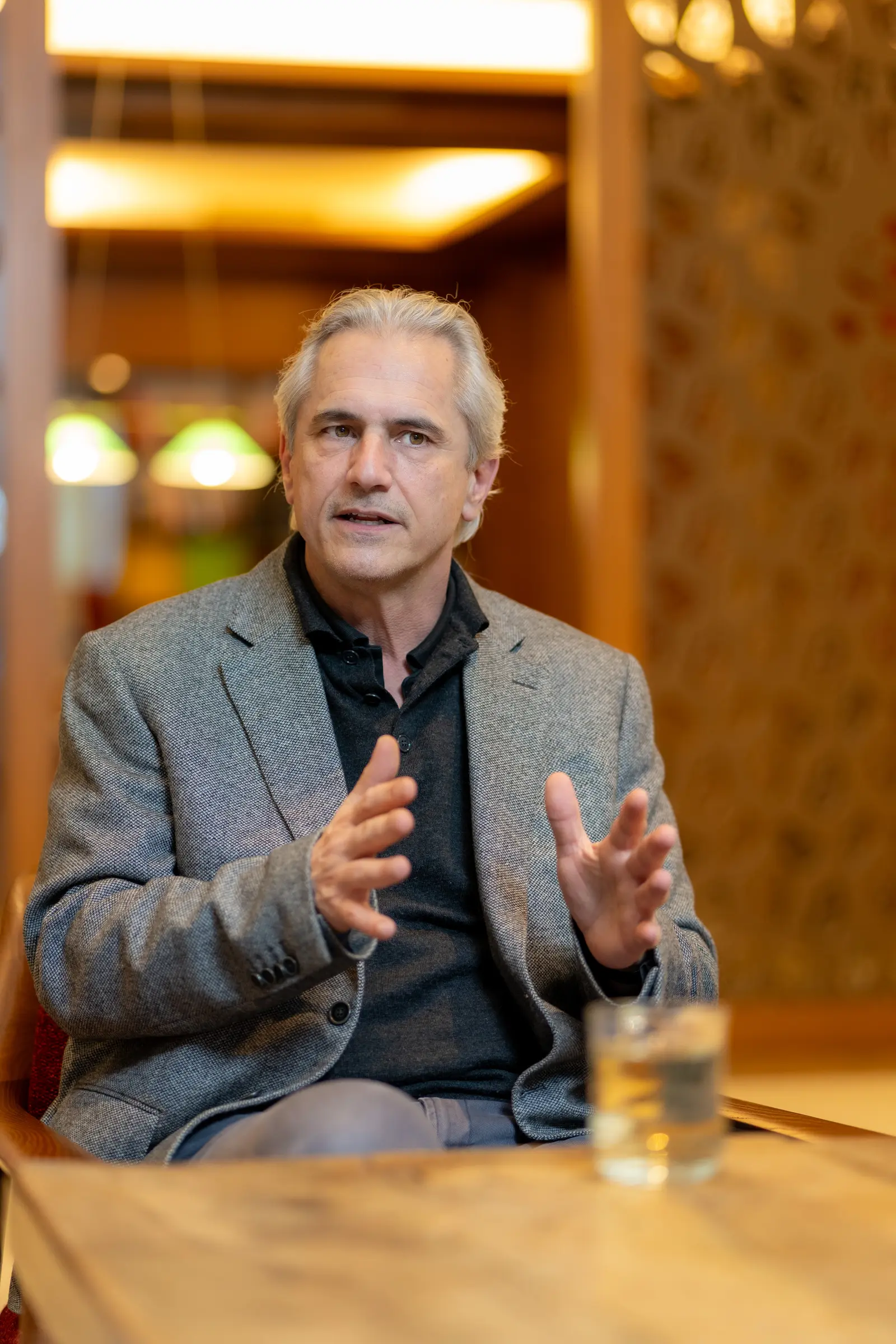
At Park Igls, a differentiated hormone profile is part of the diagnostic workup. What matters is not the laboratory value alone, but its interplay with symptoms. »Hormones are an important marker for both men and women. However, a hormone deficiency without symptoms is not a reason for treatment«, explains Pinggera. Conversely, many men are treated incorrectly for years because the hormonal cause is overlooked.
Testosterone requires particularly careful handling. Contrary to common assumptions, supplementation in the presence of normal levels does not lead to improved potency or increased muscle mass. If used incorrectly, it can even be harmful. When applied correctly – in cases of proven deficiency and in combination with lifestyle measures – therapy can meaningfully support metabolism and insulin sensitivity.
»In men, there is no clearly defined endpoint as there is in women. Hormone production declines gradually, making deficiencies difficult to recognise.«
MULTIPLE LEVELS, ONE HOLISTIC PERSPECTIVE
The topic of fertility clearly illustrates how closely interconnected bodily systems are. An unfulfilled desire to have children is an especially sensitive and personal issue. Germar-Michael Pinggera and Bettina Toth have worked closely together for many years beyond their roles at Park Igls.
»We approach fertility together and consider which areas can be optimised before moving to invasive therapies,« explains Toth. The combination of medical expertise, behavioural changes and, above all, stress reduction creates favourable conditions at Park Igls – regardless of whether reproductive medical steps are taken later.
»The Mayr Cure can indeed increase fertility«, says Peter Gartner, with Bettina Toth adding: »There are also immunological effects – and not least the conscious pause. Many couples take away not only medical impulses, but also lasting changes for their everyday lives.«
»That is the central aim of a stay«, concludes Peter Gartner.
»We open doors and show new paths – but each individual must walk them themselves. The first step, however, becomes easier when you feel seen, understood and supported.«
Read more from ParkZeit