HEALTH
From body awareness to Feldenkrais® Therapy
Sometimes real change begins when we stop trying so hard.
We live in a world that is constantly focused on output. From an early age, we learn to perform, meet deadlines and push our limits – which takes its toll on the body. Moreover, many people spend most of their daily lives sitting, placing uneven strain on the body and not getting enough physical activity. And quite often, we lose our connection to our bodies – that subtle body awareness of how we sit, stand, walk and breathe – and we often only notice things when something stops working properly. "Typically, we see shoulder and neck problems, hip issues or pain in the lower back and knees in our practice," says Julia Kovacs, physiotherapist at Park Igls Medical Spa Resort. In most cases, these are not isolated issues but part of a chain reaction: "Over the years, many people develop habits, compensatory movements or protective postures that affect the whole body – a restricted hip can affect the back; a tense neck can affect the shoulders." The body does not think in terms of individual regions – it functions as a whole. It is remarkably intelligent and often knows exactly what is good for it; it's just that we often no longer listen. "Your intuition usually gives you a good idea about what to do; for example, rolling your shoulders when you're tense," says Kovacs. But once pain sets in, we lose confidence: we avoid certain movements and our range of movement narrows.
At the same time, physical activity and exercise are often associated with performance: more strength, more endurance, more efficiency. The logic behind this seems familiar: if you want to improve, you have to do more. Yet it is important to give the body and the nervous system the rest they need to regenerate, and to make room for genuinely mindful movement. Julia Kovacs knows from her own experience that you can be strong and agile while also being soft and gentle. She is a passionate practitioner of taekwondo, a sport that involves precise control, set patterns and tactical precision. The physiotherapist draws inspiration not only from martial arts but also from the Feldenkrais® Method. The work of a colleague left a lasting impression on her when she was first introduced to the method. "A therapist mobilised a seriously ill patient with remarkable ease. Through very simple movements and subtle prompts, she restored the person's self-efficacy," Kovacs recalls.
Experienced practitioners such as Max Stangl teach the Feldenkrais® Method at Park Igls Medical Spa Resort.
Discovering mindful movement
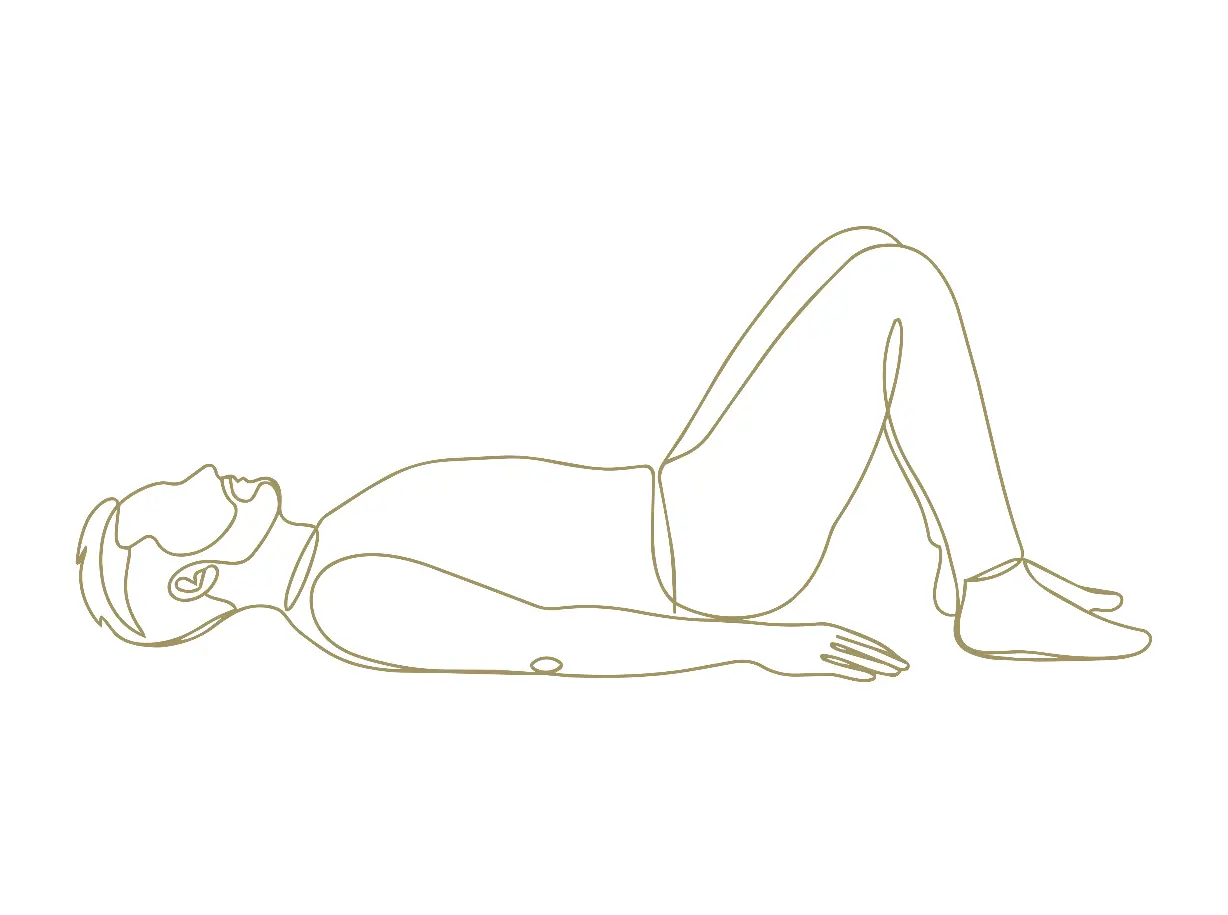
At first glance, the Feldenkrais® Method seems rather unremarkable. There are no strenuous exercises or spectacular positions. Instead, these somatic exercises consist of slow, conscious movements, often while lying down, sometimes so subtle that they are barely visible to an observer. "Feldenkrais® is a learning method," explains Max Stangl, Feldenkrais® therapist at Park Igls Medical Spa Resort. Unlike traditional forms of training, the Feldenkrais® Method does not aim to build muscle or increase stamina. Rather, the method focuses on how to organise movement so that it becomes easier.
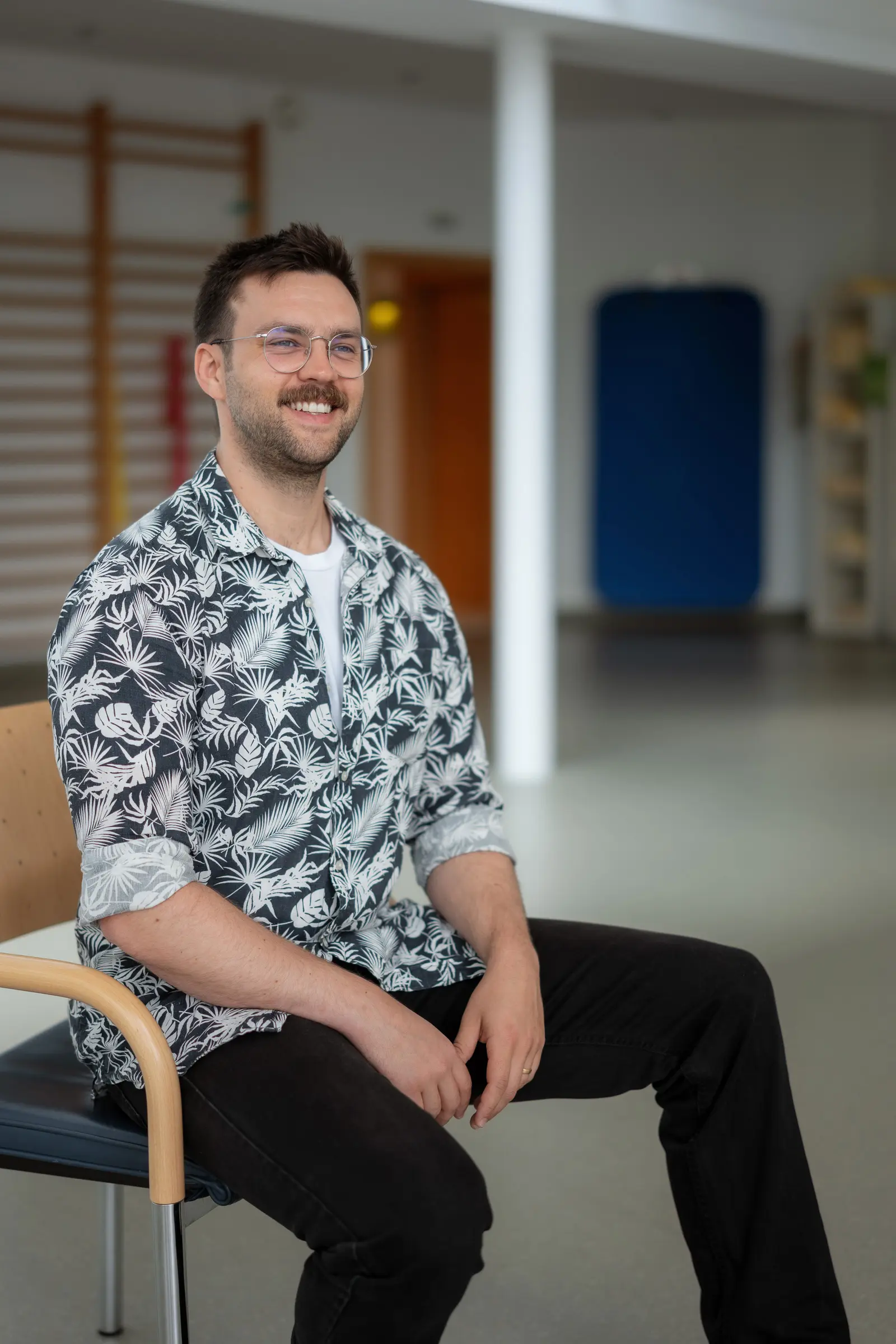
Max Stangl discovered Feldenkrais® through sport. The sports scientist had long focused on becoming faster, stronger and more efficient. At some point, he realised that he had reached his limit. Then he was injured. For his rehabilitation, he began with minimal, somatic movement, gradually working his way back into more physical activity. He was surprised at how quickly his body responded:
"Sometimes, less is more"
A phrase that seems to be counterintuitive in this day and age. In fact, the Feldenkrais® Method is not about performing movements as perfectly as possible; instead, the aim is to explore them. That's why therapists usually don't demonstrate the exercises – participants are encouraged to find their own solutions. "We create the framework within which someone can discover for themselves what is good and what works for them," explains Stangl. Most of our movements are not purely mechanical; they are an expression of how we have learnt to relate to ourselves. Many of these patterns become invisible over time because they have become habitual.
To illustrate this, Stangl asks us to imagine someone repeatedly pinching our arm over a long period of time. "At some point, this pain would seem completely normal. Only when it disappears do you realise just how pleasant life without it could be." Feldenkrais® makes us aware of our habits – not by judging them as right or wrong, but by allowing us to experience alternatives.
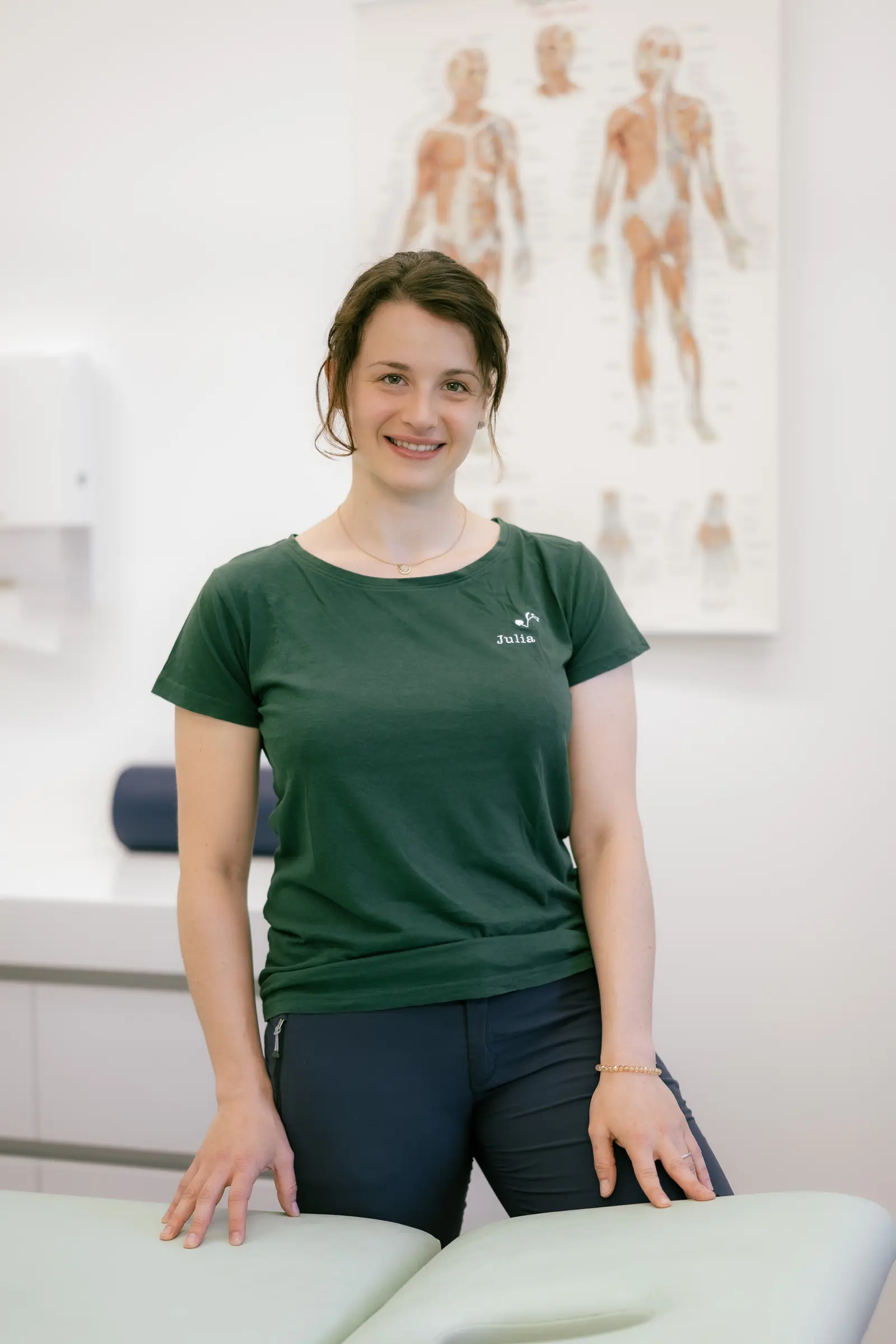
Julia Kovacs is a physiotherapist at Park Igls Medical Spa Resort and taekwondo expert.
Julia Kovacs also has first-hand experience with the Feldenkrais® Method. Simple Feldenkrais® exercises showed her how restricted her thoracic spine was. It was not through strength, but through body awareness, that she regained her mobility. Impressed by this experience, she found herself exploring the same questions in taekwondo as in Feldenkrais®: How does the movement feel? Where does precision come from? Why is less sometimes more? This hardly comes as a surprise given that the founder of the Method, Moshé Feldenkrais, was a martial arts practitioner – a judoka – himself.
Feldenkrais® trains awareness
An approach that fits perfectly with Modern Mayr Medicine at Park Igls. Just as mindful eating or conscious chewing sharpen our awareness of our own bodies, the Feldenkrais® Method invites us to question habits and discover new possibilities. "It's all about exploring options," says Max Stangl. "If I only have one option, I'll always choose the same one. As soon as several options are available, you gain freedom." Consequently, a new body awareness often begins not with a major change, but with a small movement that suddenly becomes easier – the kind of shift that regular Feldenkrais classes at Park Igls are designed to bring about.
MOSHÉ FELDENKRAIS (1904–1984)
... was an Israeli physicist, engineer and judo teacher. Following a severe knee injury, he began to focus on movement and body awareness. This led to the development of the Feldenkrais® Method. It helps people to become more aware of their movements, making them easier, more efficient and often pain-free. The concept is based on the premise that movement, perception, sensation and thoughts are closely intertwined. Through gentle, mindful movement exercises, we can recognise ingrained patterns and discover new possibilities – after all, the human brain remains capable of learning and adapting throughout life.
Feldenkrais® at Park Igls
Discover the Feldenkrais® Method first-hand with a personalised Feldenkrais® therapy session at Park Igls.